
Planogram Compliance: a Guessing Game?
Most FMCG teams don't know if a planogram is being followed. They know if it was supposed to be followed, because someone signed off on the layout in a meeting three weeks ago. What actually happened on the shelf is a different question, and most planogram compliance software still answers it too late to matter.
What is planogram compliance, in reality
Planogram compliance is the measure of how closely a store's shelf matches the layout that was agreed with the retailer. That's the textbook definition. In practice, the real compliance is the difference between the diagram in the provided trade marketing materials and whatever a stockroom clerk did with the display in week two, after a new SKU needed the space.
Compliance rates do get reported. They get reported in aggregate, once a month, usually as a single percentage that makes everyone feel like the number is under control.
It rarely is.
Why the numbers are mostly fiction
Here's the part nobody likes to say out loud: most planogram compliance figures come from a mix of rep self-reporting, occasional store audits, and a healthy dose of optimism.
Route planning software tells you the rep was scheduled to visit the store. It does not tell you what the shelf looked like when they got there. A visit report can say "planogram implemented" without a single photo to back it up, and by the time anyone checks, the display has already been rearranged twice.
Your reps' visit report might not be exactly what happened. That's not an accusation. It's what happens when the only tool for checking compliance is a form filled out from memory, standing in a warehouse aisle, five stores after the one being described.
The audit cycle is too slow to catch the problem
Formal audits exist for a reason. They're also infrequent, because sending someone with a clipboard and a camera to every outlet every week isn't realistic for most field teams. So audits happen quarterly, or for a sample of stores, and the rest of the network runs on trust.
By the time a quarterly audit flags a compliance gap, the promotion it was measuring has already ended. The trade marketing budget was spent. The retailer invoice was paid. The only thing left to do with the data is note it for next time, which is a polite way of saying nothing gets fixed until the same problem shows up again next quarter.
What actually works
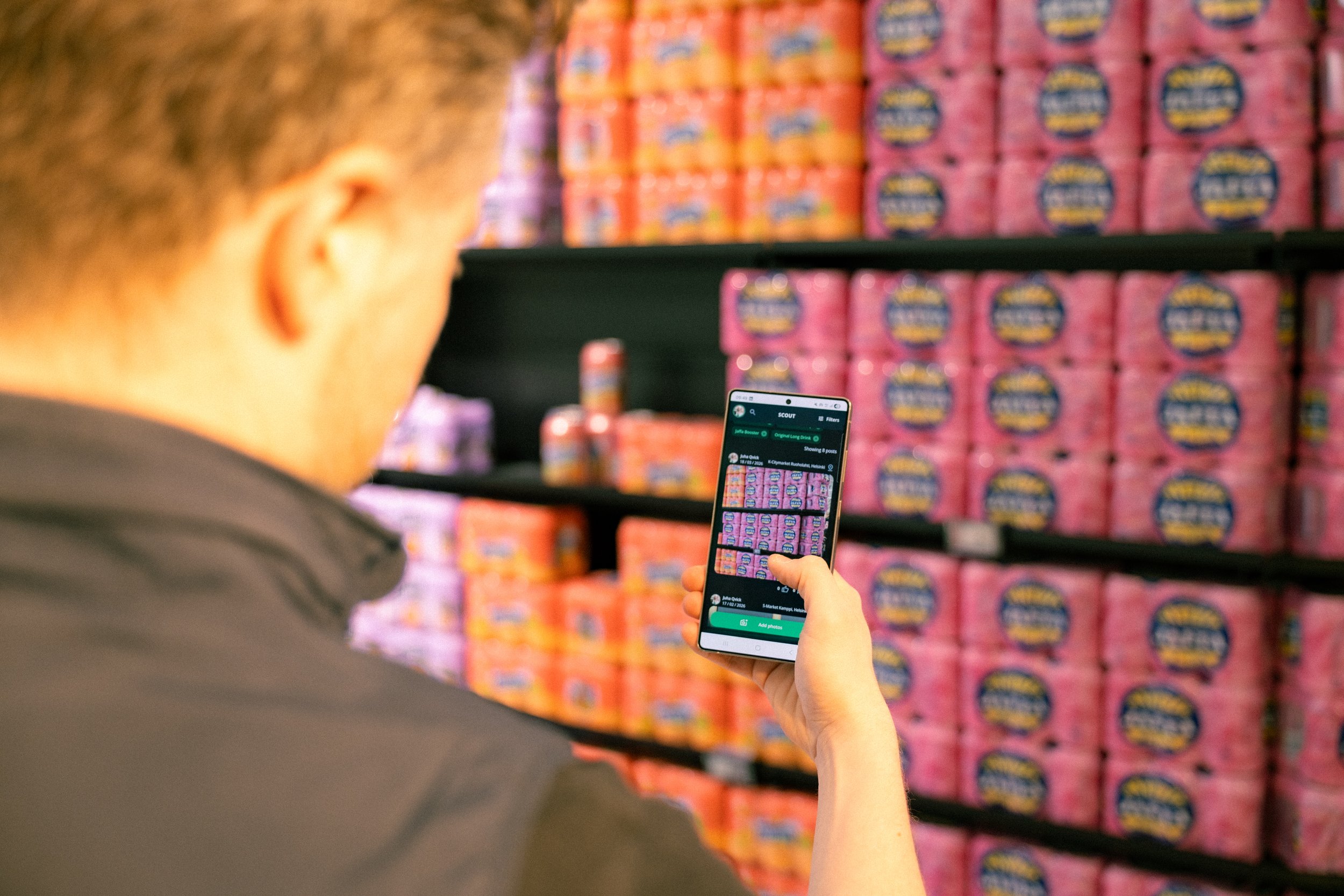
The fix isn't more paperwork. It's shorter feedback loops. If a rep can photograph a shelf the moment they walk into a store and that photo is visible to the trade marketing team the same day, a compliance gap stops being a line in a quarterly report and starts being something someone can act on that week.
This is a small, deliberate part of what Salesframe Scout does: reps capture what's actually on the shelf and share it with the team in real time, so a missing display shows up on Tuesday instead of at the end-of-month review. It's not a replacement for a proper audit programme. Scout is the thing that tells you where to point one.
The honest version of the metric
If your planogram compliance number hasn't moved in three quarters, it probably isn't measuring compliance. It's measuring how confident everyone feels about a process nobody has actually checked recently.
A more useful question than "what's our compliance rate" is "when did we last see a photo of this shelf." If the answer is "last quarter's audit," the guessing game is still on.